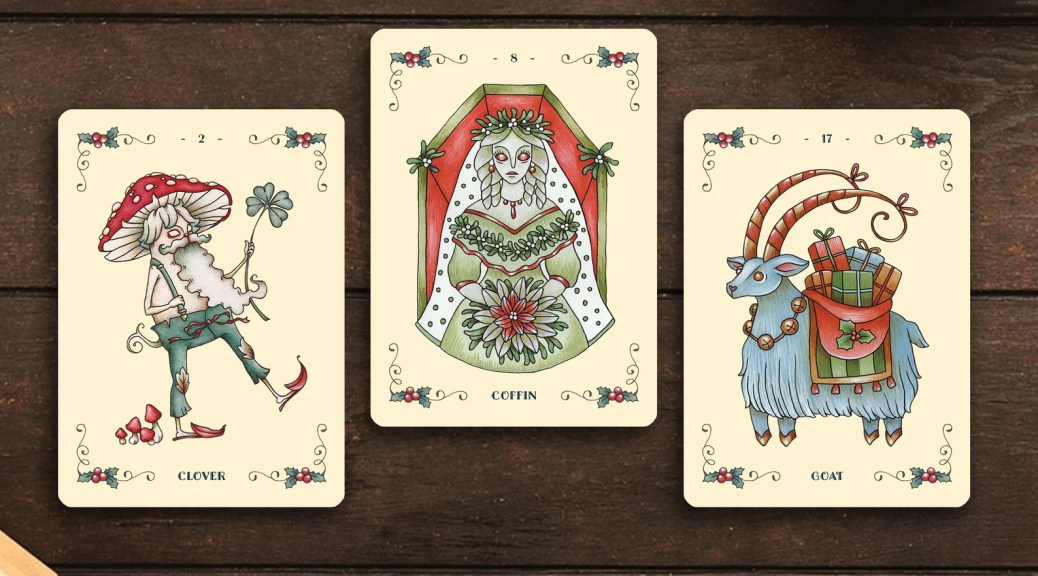
Browsing Etsy this winter, I noticed the uptick in objects that celebrate mid-winter characters from European folk traditions (including the Yuletide Tales Lenormand divination cards by Russian-born artist Faina Lorah that are featured in the image above). Around the same time, Virginia Tech asked me to participate in a Q&A about these figures. Below, an expanded version of my answers, with links that offer crowd-sourced information as well as some links to books and articles by my colleagues in the academy. Enjoy!
- Why wintertime magical gift-givers?
Holidays often align with nature’s milestones—Kwanzaa, for instance, is modeled on African harvest festivals, and many cultural groups key sacred days to moon cycles. Mid-winter celebrations in the northern hemisphere recognize the shortest days of the year, using feasting and fire to inspire hope that brighter days are ahead. Christmas and Solstice traditions tend to focus on youth and the future, and gifting underscores the sense of positive anticipation.
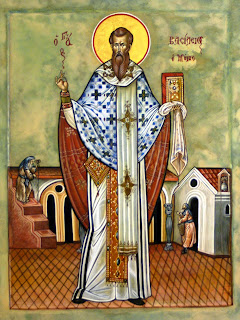
In many cultures, extraordinary generosity is linked to legendary historical figures, such as Hāshim (leader of Mecca) or Mansa Musa (emperor of Mali). However, in the northern hemisphere and areas colonized by Europeans, gifting is often steeped in magic. Historical figures elevated to sainthood (e.g., Lucy/Lucia, Nicholas, Basil), baby Jesus’s emissary (das Christkind) or visitors (Los Tres Reyes Magos), and even the child Himself (e.g., Gesù bambino) bestow tangible gifts in Christian practice; Santa is a secular but still magical extension. These supernatural beings also usually help define good and bad behavior.
The holiday season’s reliance on extra-human aid (or fear of forces beyond human control) and adhering to social norms is partly explained by scarcity. People and communities in the far north are particularly vulnerable between November and February: food, warmth, and light are precious, so it’s useful if people play by the rules. But winter is also an excellent time for storytelling and imaginative play, given time spent together indoors.
- Was this all created to discipline children?
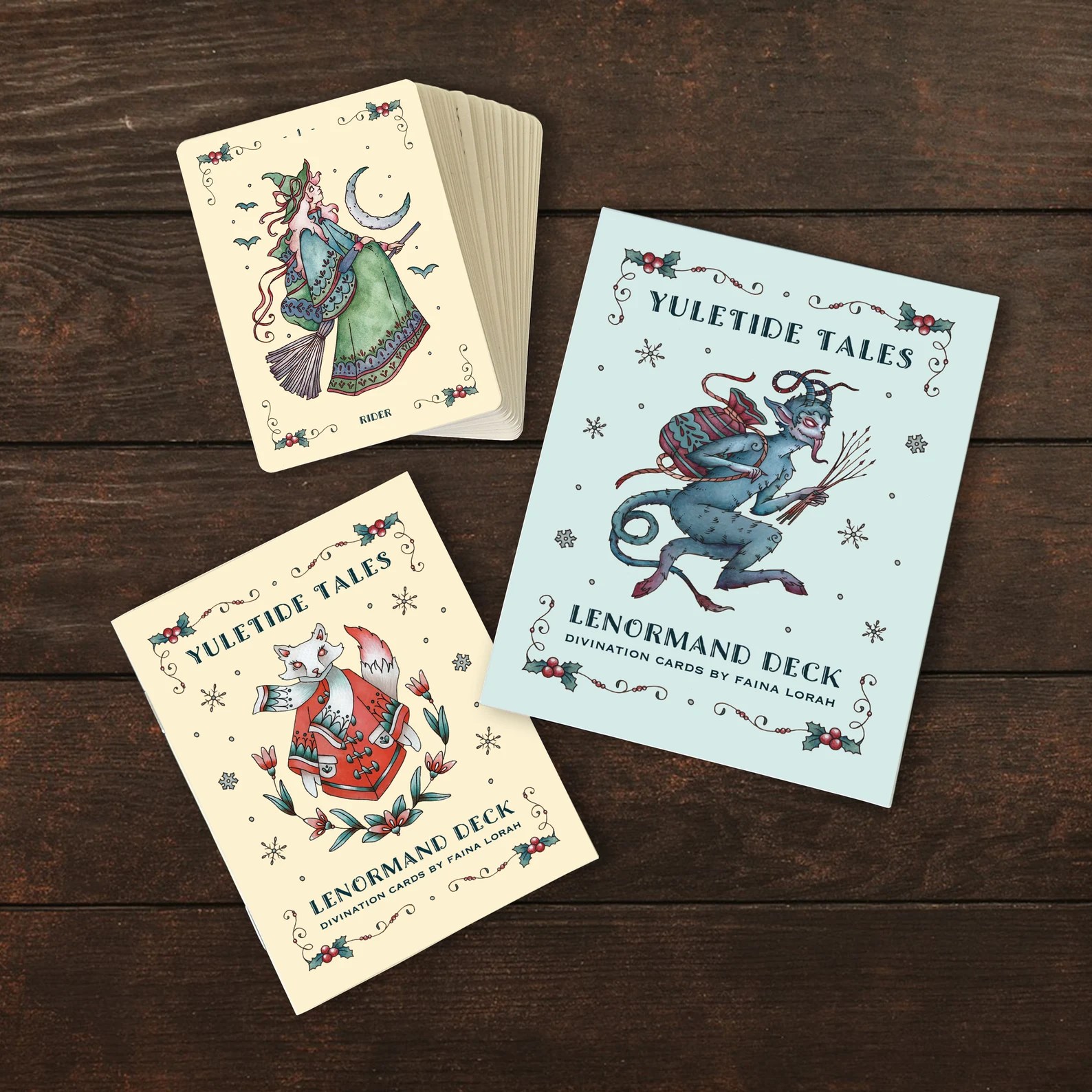
This Yuletide Tales Lenormand deck offered on Etsy in 2023 includes La Befana on her broomstick (artist: Faina Lorah).
A single mythical figure often gives rewards and punishments—in the United States today, Belsnickle and Santa bring presents and leave lumps of coal for Christmas. Likewise, Epiphany’s La Befana keeps track of the naughty and nice in Italy.
In many places, punishment has been offloaded from the character of St. Nicholas and put upon a frightening, criminal, or asocial companion that beats or abducts naughty children. For instance, in parts of France the black-robed, bearded Père Fouettard (Father Whipper) is said to have been a butcher who murdered three boys. St. Nicholas resurrected the boys, and now Père Fouettard accompanies him, scaring other children “straight” as a way to atone.
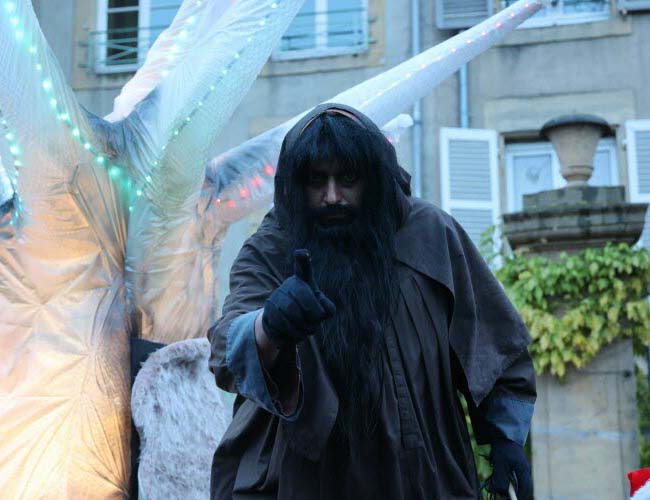
These figures reinforce binaries of good/evil, pure/dirty, and master/servant, sometimes in manifestly racist ways. They also make way for rowdy costumed rampages such as Krampuslauf—which in the U.S. today are often December 5 processions coordinated with public officials and framed as an occasion for accountability rather than horror or mayhem.
Other fantastic figures of the season embody winter’s perils and norms more directly. Old Man Winter and the Slavic Ded Moroz (Grandfather Frost) exist alongside legendary females like Grýla. In the lore of Iceland and the Faroe Islands, she is a multi-horntailed ogress who personifies extreme weather and darkness. Various accounts depict her sweeping down from a mountain cave to snatch and stew naughty children (or carve up the stomachs of those who complain about fasting during Lent). Eventually, she became linked to Christmas.
In the nineteenth century, when romantic nationalism spread across Europe and it became the rage to document, invent, and popularize distinctive vernacular traditions, Grýla was linked with the 13 Yule Lads—troublemakers who slam doors, steal food, and eat candles—and Jólakötturinn, the gigantic cat that enforces customs of getting new clothing during Yuletide. (The Scandinavian Yule Goat is another seasonal animal, who can be either a frightening other-worldly surveillor or a mischievous human visitor.)
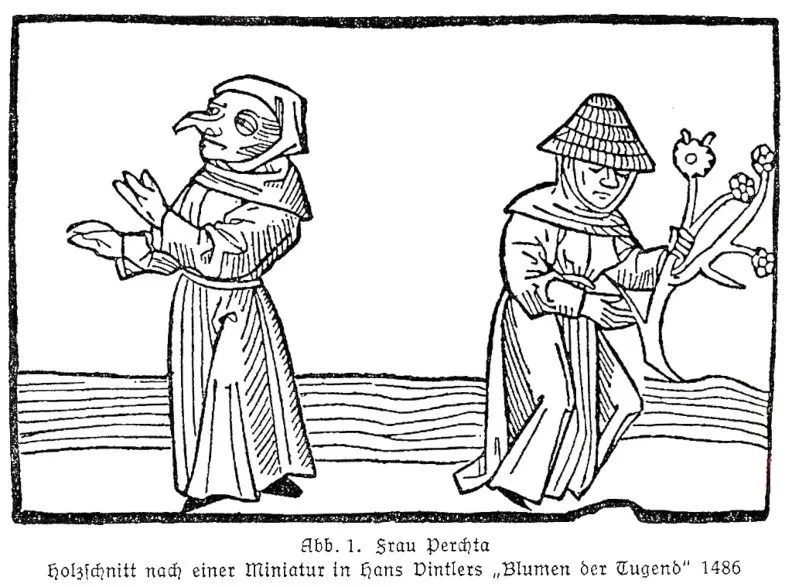
In Alpine areas, Frau Perchta flies abroad during the 12 nights between Christmas (Dec. 25) and Epiphany (January 6). She reputedly punishes reluctant feasters—as well as the lazy, untidy, or disobedient—by making the punishment fit the crime: she disembowels them and replaces their guts with rags, trash, or splinters. (Some say a belly full of food will deflect Perchta’s blade.) Like many mythic figures she is associated with the Wild Hunt motif (a night ride across the sky, here accompanied by a retinue of lost souls/unbaptized children). Historically, and like Scotland’s gyre-carling, Perchta also regulated cloth production, making sure that spinners worked and rested at appropriate times.
It may seem odd to punish people for not celebrating correctly, but Perchta and the Yule Cat are not so different from customs that associate bad luck with neglecting to eat certain holiday foods (e.g., black-eyed peas on New Year’s Day in the American South, or lentils in Italy). “Use it or lose it,” as the saying goes: if you don’t feast while food is plentiful, or take a break from work or refresh your clothing while you can, you shouldn’t expect much abundance or rest in the coming year. Of course, and even as they offer opportunities for excess and revelry, these traditions also uphold the authority of those who set the rules and control the resources.
- Who are some of the more unusual holiday figures?
Two Christmastime objects from Catalonia (and nearby areas) often raise eyebrows: the Tió de Nadal (a log with a painted face and stick legs, aka Caga Tió, or “pooping firewood”) and El Caganer, a defecating figurine that is placed in el pessebre (an elaborate nativity scene). Both wear the barretina, an iconic Catalan hat, and both are claimed as distinctively Catalan. But these scatological figures also resonate with tricksters around the world whose pranks and earthy actions humble the mighty and start conversations about desired behaviors.
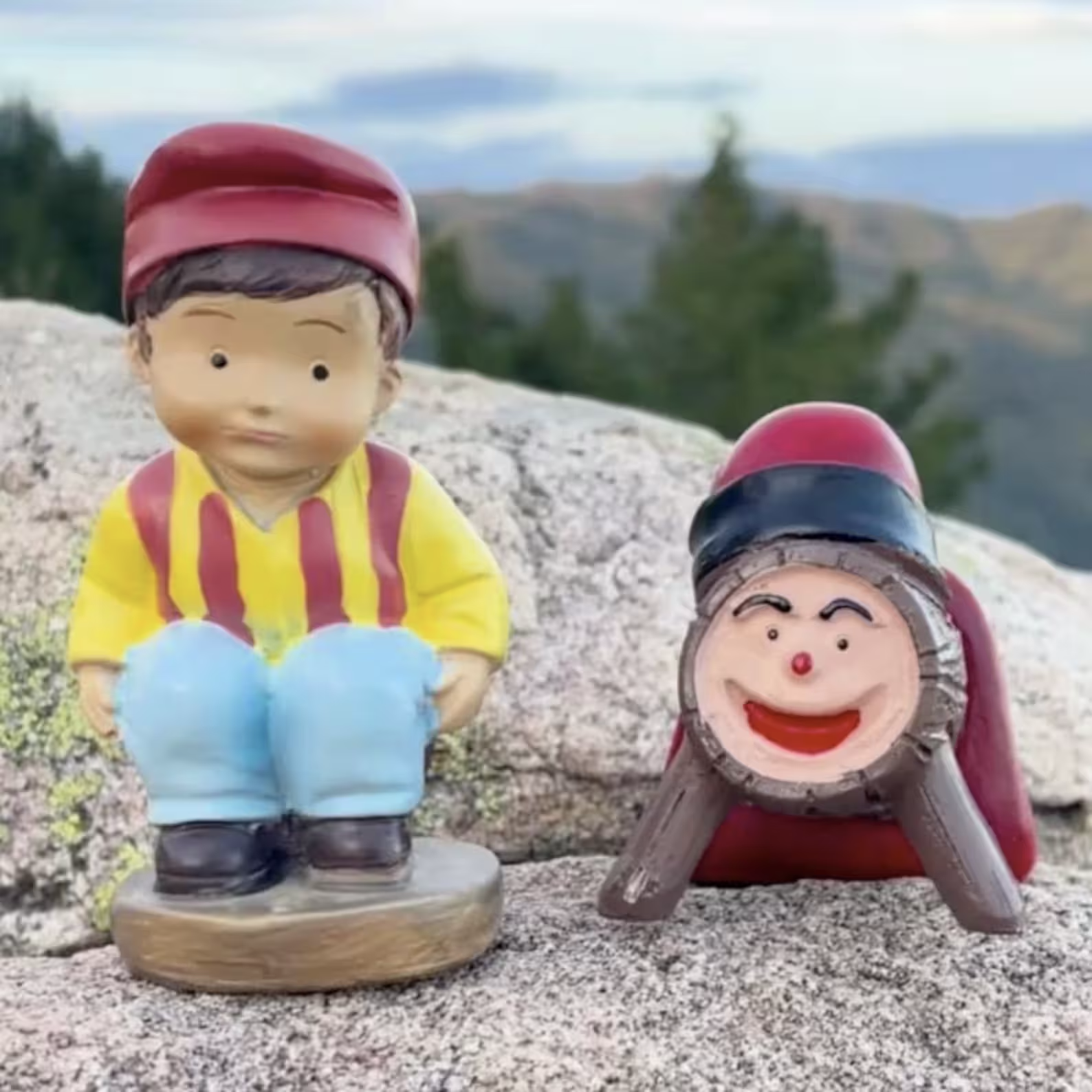
For instance, the Tió de Nadal encourages nurturing care and also reminds children of eventual obligations to reciprocate. The log appears on December 8, a feast day that honors expectant mother Mary. As Christmas approaches, children cover the tió’s body with a blanket and nightly “feed” the baby/log treats, only to find empty wrappers or fruit peels—or sometimes, a bigger log—come morning. On Christmas Eve, they sing a song that commands the log to “give back” by depositing nuts, cheese, and other small presents, including an almond nougat of Moorish origin called turrón. Gifts appear under the blanket, placed there by parents when children leave the room to pray or to warm up the sticks they use to hit the log during the song. (Bigger gifts are brought by the Three Kings on January 6.)
El Caganer emerged in the late 17th century, as aristocrats started building elaborate nativity landscapes for public display, and he reflects a Baroque emphasis on realistic everyday scenes. Some say the pooping peasant represents the thrifty, hardworking character of Catalans: one of his tongue-in-cheek names is home que fa ses feines (“man who does his chores”). Parents often hide the caganer around the house for children to find, and some connect the figure to fertile land and luck. Caganers also take the shape of celebrities and politicians; caught with their pants down, they embody human vulnerability and folly. El caganer counters the season’s often overly sweet commercial fantasies—and the acknowledgement of bodily functions is a playful reminder that Christmas celebrates the incarnation of the divine.
- Culture is dynamic–how have these traditions changed over time?
The histories of these magical figures are convoluted; variations and reinterpretations abound, influenced by local circumstances, media coverage, and shifting values. These days, Grýla might leave a rotten potato in your shoe, rather than eating you; the gluttonous Basque gift-giver Olentzero is less likely to slit your throat with his sickle if you’re up too late or eat too much on Christmas Eve. If you don’t have a fireplace, then you can’t burn the Tió de Nadal and spread its ashes in your garden; also, you might decide not to sing “Si no cagues bé, et daré un cop de bastó!” (If you don’t shit well, I’ll hit you with a stick!), and instead explain to your child that hitting the log “speeds up its digestion.” Zwarte Piet (Black Peter), historically performed in blackface, today inspires fierce debate about nation, tradition, and racism in the Netherlands, with some advocating that the figure be abandoned entirely.
At the same time, many older traditions are being strengthened or revived around the world, as people work to resist the ubiquity of Santa Claus—a quite recent addition to the holiday pantheon, and one inextricably intertwined with nineteenth-century American literature and twentieth-century commerce. But that’s another story (one, incidentally, NOT connected to hallucinogenic mushrooms.)
For more resources about Christmas and Yuletide traditions, see Maria Kennedy’s emerging bibliography.
 SOURCETHINK